Scale, Structure, and Labor in Chinese Pearl Farming
Freshwater pearl farming in China operates on two distinct scales.
Family-run farms are typically small operations consisting of one or more ponds stocked with several hundred to several thousand mussels. These farms function much like other forms of small-scale agriculture. When pearl prices are favorable, pearls are grown. When prices decline, ponds may be used for fish or rice cultivation.
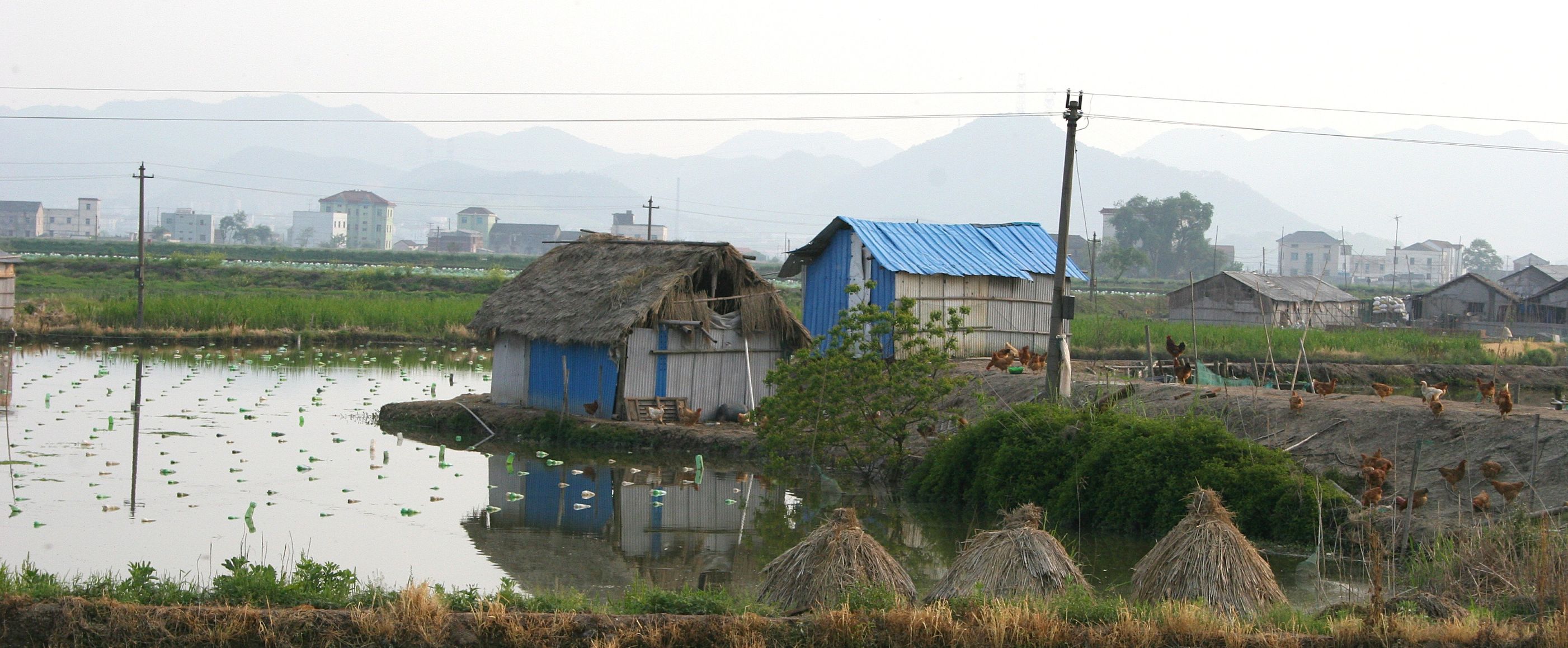
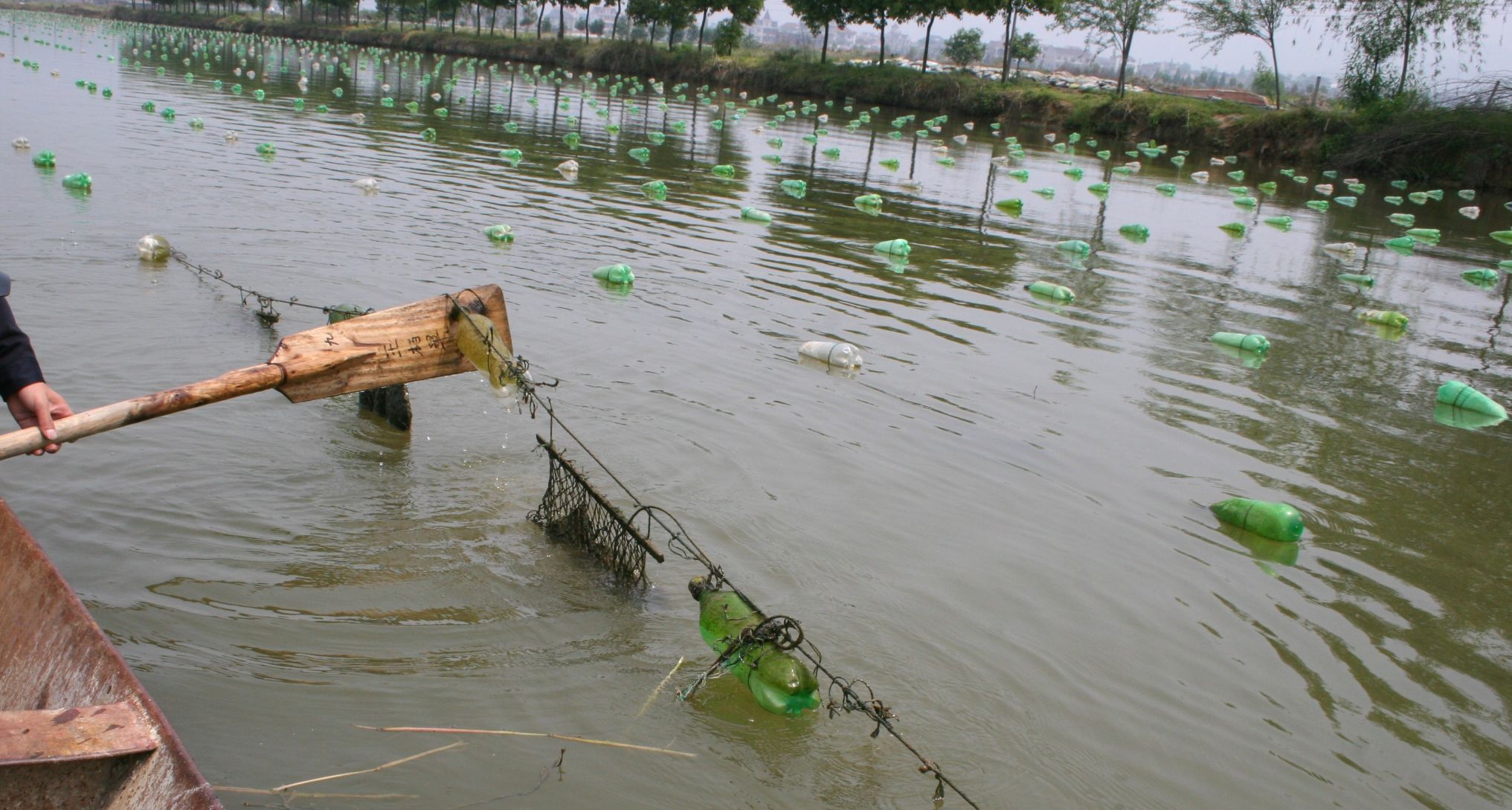
Family farms often focus on a single stage of production. They may purchase grafted mussels from hatcheries, grow them for several years, and sell either the shells or harvested pearls to brokers or processing facilities.
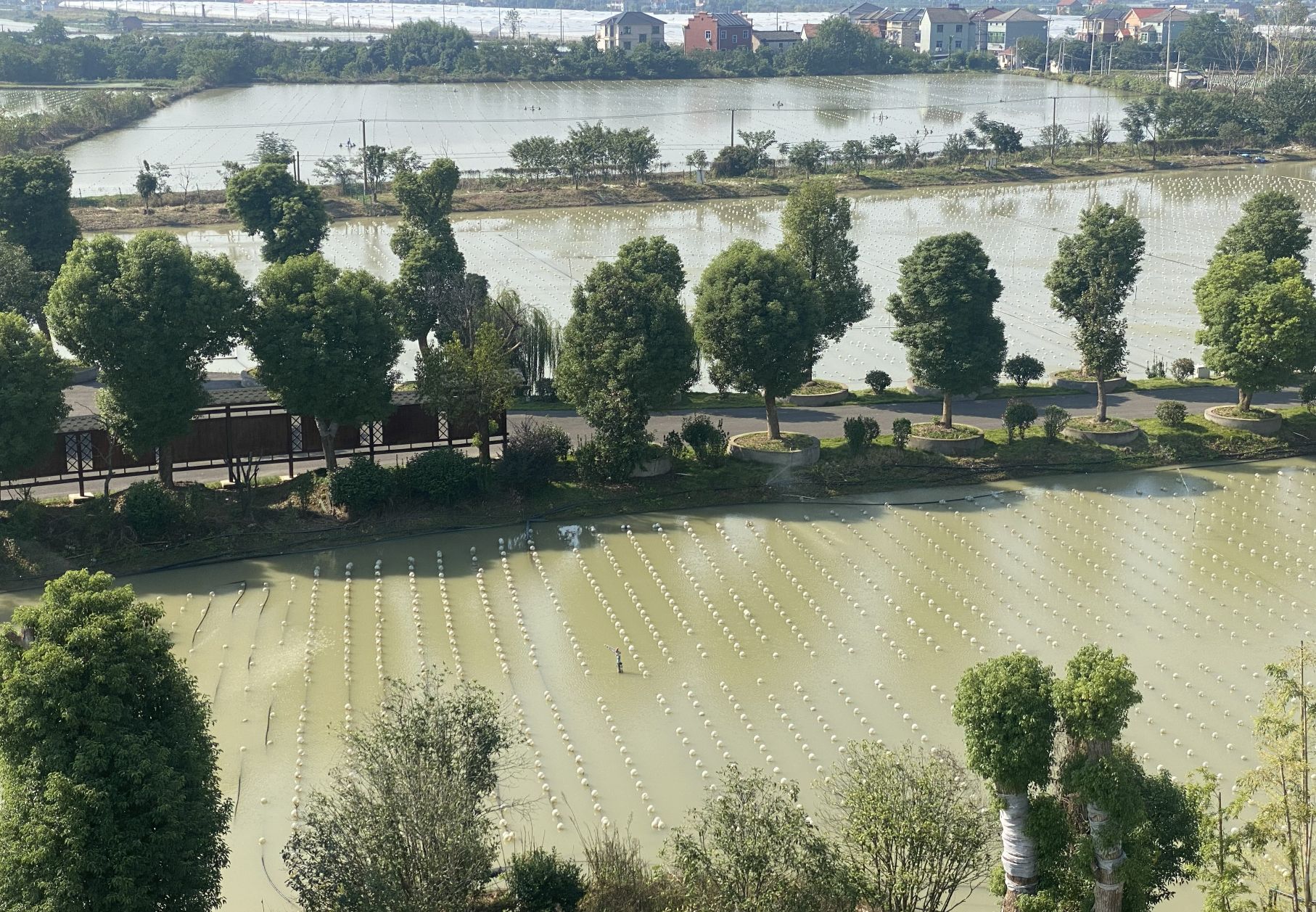
Industrial operations account for the majority of total production. These farms consist of large, man-made ponds, sometimes covering areas comparable to multiple football fields. Industrial producers often control the entire production chain, including hatchery breeding, grafting, grow-out, harvesting, processing, and wholesale distribution.
Today, a relatively small number of large producers account for most freshwater pearl output in China.
The Grafting Workforce
Freshwater pearl grafting is labor-intensive but generally less technically demanding than saltwater grafting. The work is typically carried out by young female technicians who perform large numbers of insertions quickly and consistently.
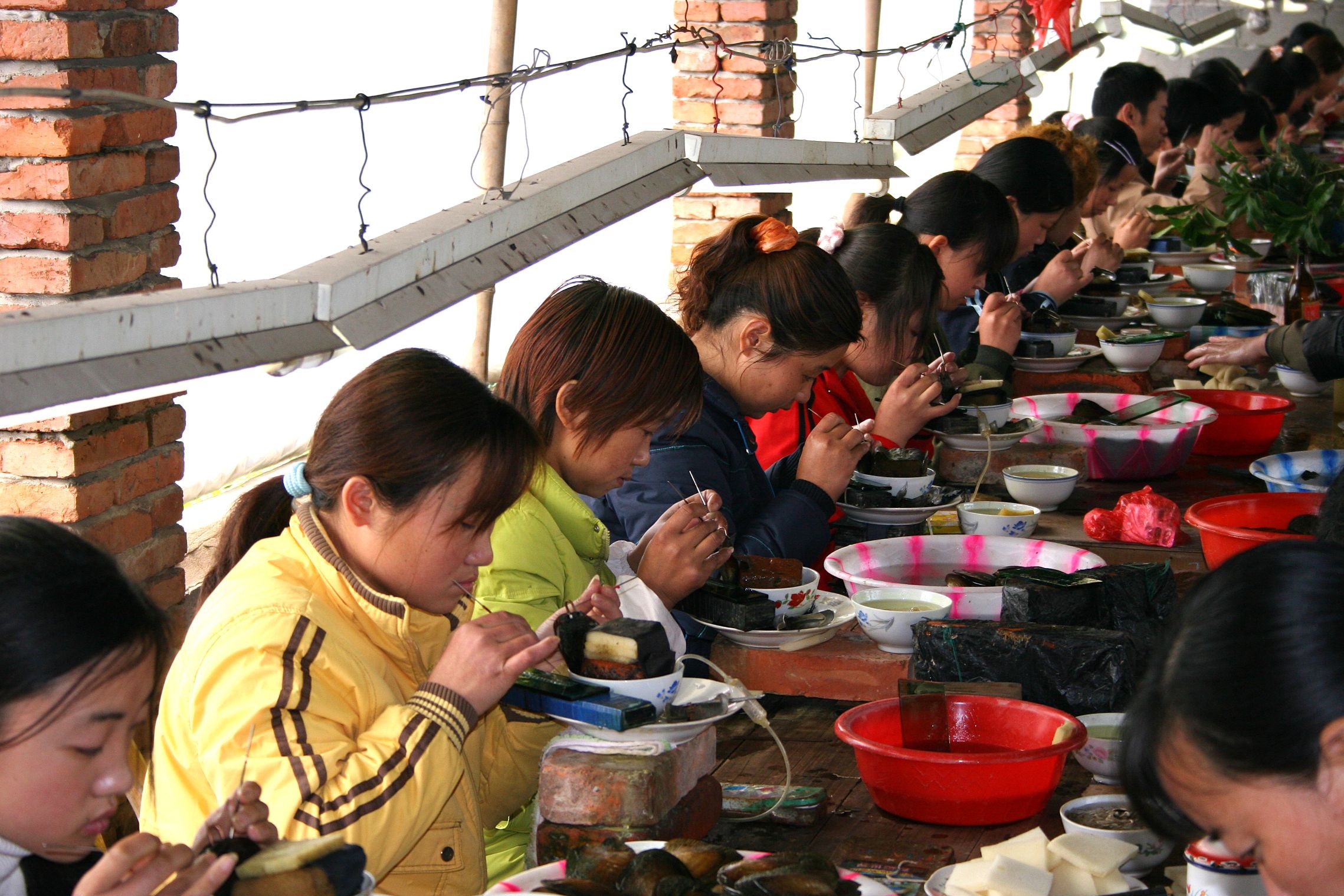
Non-nucleated grafting is relatively quick and allows for many insertions per shell. Bead nucleation is more invasive and typically involves fewer insertions, though survival rates remain high compared to saltwater pearl mollusks.
383 comments